If you are thinking about buying a student rental in Tempe, it is easy to focus on rent potential and miss the details that actually make an investment work. Student housing near Arizona State University can offer steady demand, but the smart play is matching the right property to local leasing patterns, city rules, and day-to-day management realities. This guide will help you look at Tempe student rentals through a more practical lens so you can make a confident decision. Let’s dive in.
Why Tempe Draws Student Rental Demand
Tempe has a built-in renter base tied to Arizona State University’s main campus. ASU reports 55,500 students on the Tempe campus for fall 2025, and the university’s off-campus housing resources make it clear that thousands of students live off campus each year.
That matters because demand is not limited to one narrow housing type or one short leasing window. ASU’s housing marketplace includes apartments, houses, townhomes, roommate options, and sublease tools, which points to a broad and durable off-campus rental market in Tempe.
Another important factor is campus housing availability. ASU notes that on-campus housing may fill before some students are able to apply, which helps support continued off-campus demand for nearby rentals.
What Makes Student Rentals Different
Student rentals often perform differently than traditional long-term rentals because the leasing pattern is closely tied to the academic year. ASU says most off-campus apartments require a 12-month contract, and spring students often take over someone else’s lease.
That tells you something important as an investor. In Tempe, a strong student rental is usually less about ultra-flexible short stays and more about stable annual leasing, efficient turnover planning, and roommate-friendly living arrangements.
Students also do not always arrive looking for a fully furnished unit. ASU says very few apartments are fully furnished, so furnishing can be a value-add in some cases, but it can also add cost, wear, and management work.
Best Property Types in Tempe
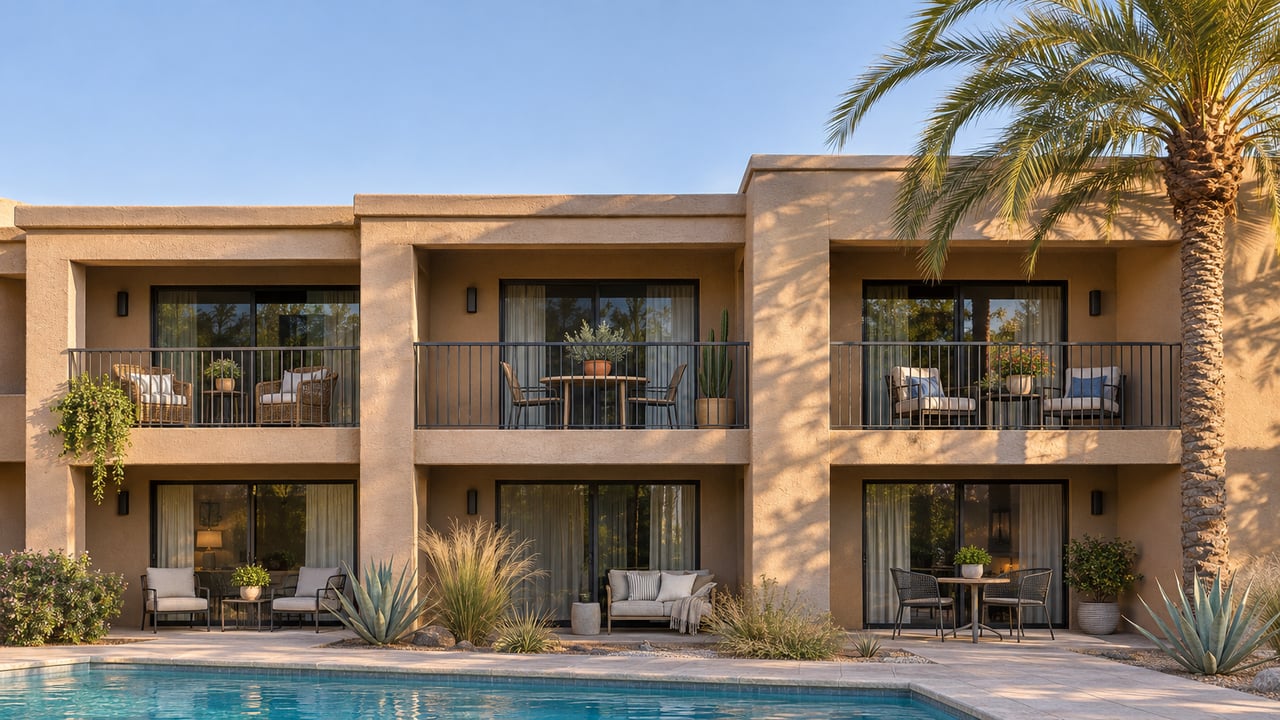
There is no single winning property type for Tempe student rentals. ASU’s off-campus marketplace shows demand for apartments, houses, townhomes, and purpose-built student housing communities.
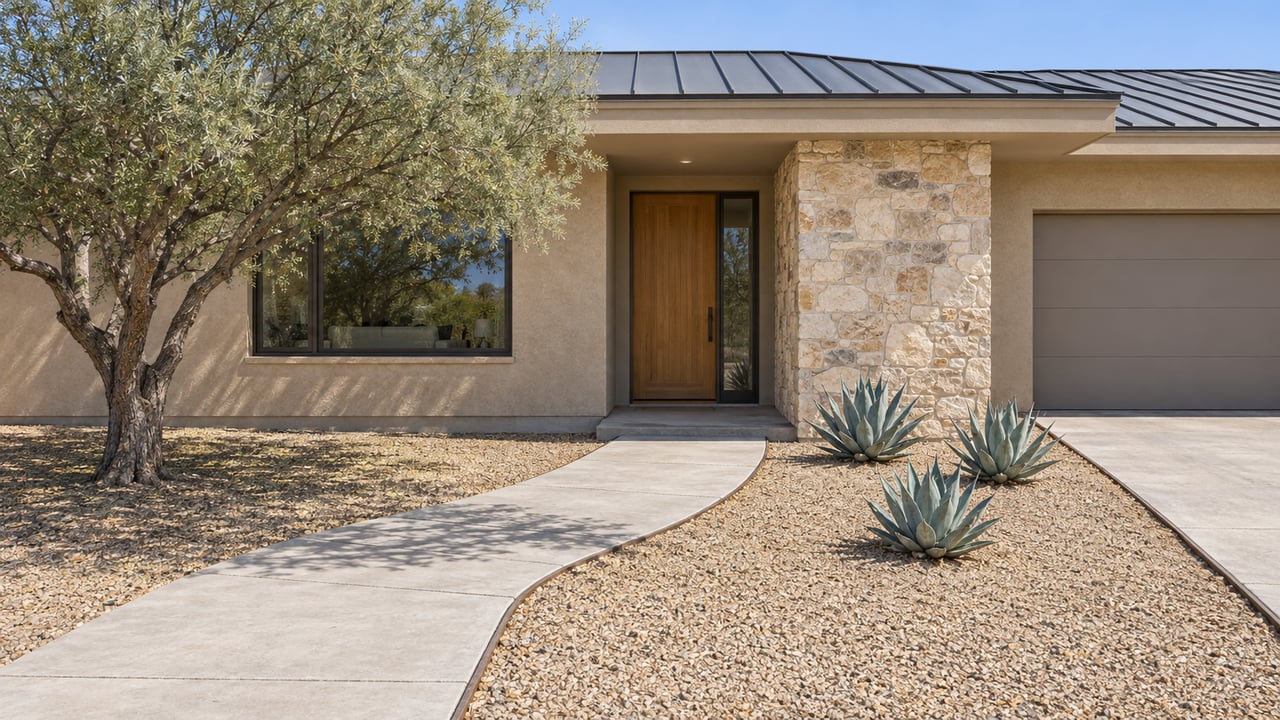
That gives investors flexibility. A condo near campus, a townhome with multiple bedrooms, or a single-family home with a practical layout can all fit the market, as long as the property aligns with local occupancy standards and leasing expectations.
For many buyers, layout matters as much as property type. A property that gives roommates privacy, usable common space, and a straightforward bedroom setup may be more attractive than one with a larger square footage but an awkward floor plan.
Why Layout Matters So Much
In student rentals, the layout often drives leasing success. Roommate households usually need separate sleeping areas, comfortable shared living space, and a setup that feels functional for daily routines.
Tempe’s occupancy rules make this more than a preference issue. The city requires sufficient space for health, safety, privacy, and general welfare, and it sets minimum room-area standards for occupancy.
The city also states that every rental unit must provide at least one bedroom or a living and sleeping room of appropriate size for each two people. Too many occupants is identified by the city as a common violation, so it is important not to underwrite a property based on unrealistic roommate counts.
Tempe Compliance You Cannot Ignore
A smart student rental purchase starts with legal and operational fit, not just projected rent. Before you buy, you should confirm that the property can legally and comfortably support the number of occupants you expect.
Tempe also has clear safety and habitability requirements for rentals. The city’s inspection guidance includes security devices, smoke detectors, sound stair rails and guardrails, locking exterior doors and windows, and operational smoke detectors before re-occupancy.
The checklist also covers working heating and cooling, clean and working appliances and bathrooms, and no evidence of infestation. These items can directly affect your repair budget, lease-up timeline, and ongoing maintenance planning.
Traditional Leasing vs Short-Term Use
If your goal is a student rental, traditional leasing and short-term rental use are very different paths in Tempe. The city says that, effective January 1, 2025, it no longer imposes transaction privilege tax on residential rentals with stays of 30 days or more.
Short-term rentals are treated differently. Tempe’s rules for stays under 30 days require a separate city license, county assessor registration, and added neighbor-notification and insurance requirements.
For most student-rental investors, that makes the standard 12-month lease model a much cleaner fit. It is generally more aligned with ASU leasing patterns and comes with a different compliance profile than short-term or hybrid use.
Tempe in the East Valley Market
Tempe stands out from nearby East Valley cities because it is much more renter-heavy. Census QuickFacts shows an owner-occupied housing rate of 42.3% in Tempe, compared with 64.4% in Mesa, 65.0% in Chandler, and 73.1% in Gilbert.
That lower owner-occupancy rate helps explain why Tempe feels different from its suburban neighbors. It has a stronger rental orientation, which can support investor interest, especially for properties that fit student demand.
Rent levels also give useful context. Census QuickFacts lists median gross rent in Tempe at $1,743, while Zillow’s current rental-market page shows an average asking rent of $2,290 with 1,030 rentals listed.
Compared with nearby cities on Zillow, Tempe sits in the middle on asking rent, with Mesa at $1,895, Chandler at $2,350, and Gilbert at $2,450. At the same time, Zillow reports Tempe’s average home value at $469,844 as of May 31, 2026, which is a reminder that entry price still matters when you are building a rental strategy.
How to Underwrite Smarter
A good Tempe student rental deal should pass a few simple tests before you move forward. This helps you avoid buying a property that looks good on paper but becomes difficult to operate.
Use this practical framework when reviewing options:
- Can the property legally and comfortably support the number of roommates you expect?
- Does it appear to meet Tempe safety and occupancy standards?
- Is the likely lease structure aligned with the academic calendar and 12-month leasing pattern?
- If you are buying from out of area, do you have local support to keep compliance and administration current?
This kind of screening can save you from avoidable mistakes. It also helps you compare condos, townhomes, and single-family homes with a clearer eye on actual performance.
Remote Investors Need a Local Plan
If you do not live in Arizona, local compliance becomes even more important. Maricopa County requires residential rental property to be registered with the County Assessor, and owners who do not reside in Arizona must designate a statutory agent in the state.
The county also says that rental registration should be kept current if your mailing address or agent information changes. For remote investors, this is not a minor paperwork item. It is part of owning and operating rental property the right way.
This is where local market knowledge can make a real difference. A property may look attractive online, but the details that matter most are often layout, leasing fit, condition, and how easily the property can be managed within Tempe’s rules.
The Smart Way to Invest in Tempe
The smartest Tempe student rental strategy is usually the one that stays simple. Look for a property type students already use, a layout that works well for roommates, and a compliance profile that supports traditional long-term leasing.
Do not assume the best investment is the one with the highest theoretical occupancy or the flashiest rent projection. In Tempe, a better approach is often buying a property that can lease predictably, meet local standards, and hold up well during repeated annual turnover.
If you want help comparing Tempe condos, townhomes, single-family homes, or small multi-family opportunities through a local investor lens, connect with Shane A Peck. You will get practical East Valley guidance, responsive communication, and hands-on support from search to closing.
FAQs
What makes Tempe a strong market for student rentals?
- Tempe benefits from Arizona State University’s large Tempe-campus population, off-campus leasing demand, and a renter-heavy local housing profile compared with nearby East Valley cities.
What property types work best for Tempe student rentals?
- Apartments, condos, townhomes, and single-family homes can all work in Tempe if the layout suits roommates and the property aligns with local occupancy and safety standards.
What lease length is most common for Tempe student rentals?
- ASU’s housing guidance says most off-campus apartments require a 12-month contract, so annual leasing is a common structure in the Tempe student market.
What Tempe occupancy rules should student-rental investors know?
- Tempe requires sufficient space for occupants, sets minimum room-area standards, and identifies too many occupants as a common violation, so roommate count should be based on legal and practical use of the property.
Are furnished student rentals common in Tempe?
- ASU says very few apartments are fully furnished, which means furnishing may help some listings stand out but also adds cost and management considerations.
Do Tempe student rentals follow the same rules as short-term rentals?
- No. Residential rentals of 30 days or more have a different tax and compliance profile, while short-term rentals under 30 days require a city license and additional local requirements.
What should out-of-state buyers know before buying a Tempe rental?
- Maricopa County requires rental registration with the County Assessor, and owners who do not live in Arizona must designate a statutory agent in the state.